
What we do
St Peter's churchyard | Moth surveys | Toad patrol | Bat walks | Bumblebee transects and butterfly surveys | Flowers
St Peter's churchyard
Our main regular activity is maintenance of the upper, older section of the churchyard at St Peter’s church in Wrecclesham. The lower section remains in active use under direct responsibility of the parish, but the remainder has largely returned to nature and in need of ongoing management to remain accessible and respect the memorials. Tasks include tree maintenance, scrub clearance, grass cutting and bracken pulling. We monitor and encourage as appropriate the bio-diverse wildlife population of the churchyard – including invertebrates and mini-beasts – with the addition of bird feeders, bug hotels and log-piles. The churchyard is a regular venue for our moth and other surveys and we also have additional groups visiting us there for specific activities.
We meet at 10am on the first Saturday and 2pm on the third Sunday of the month for a couple of hours with a refreshment break. So do come along and be ready to get your hands dirty! All members are very welcome, but children must be accompanied by a responsible adult member.


Moth surveys
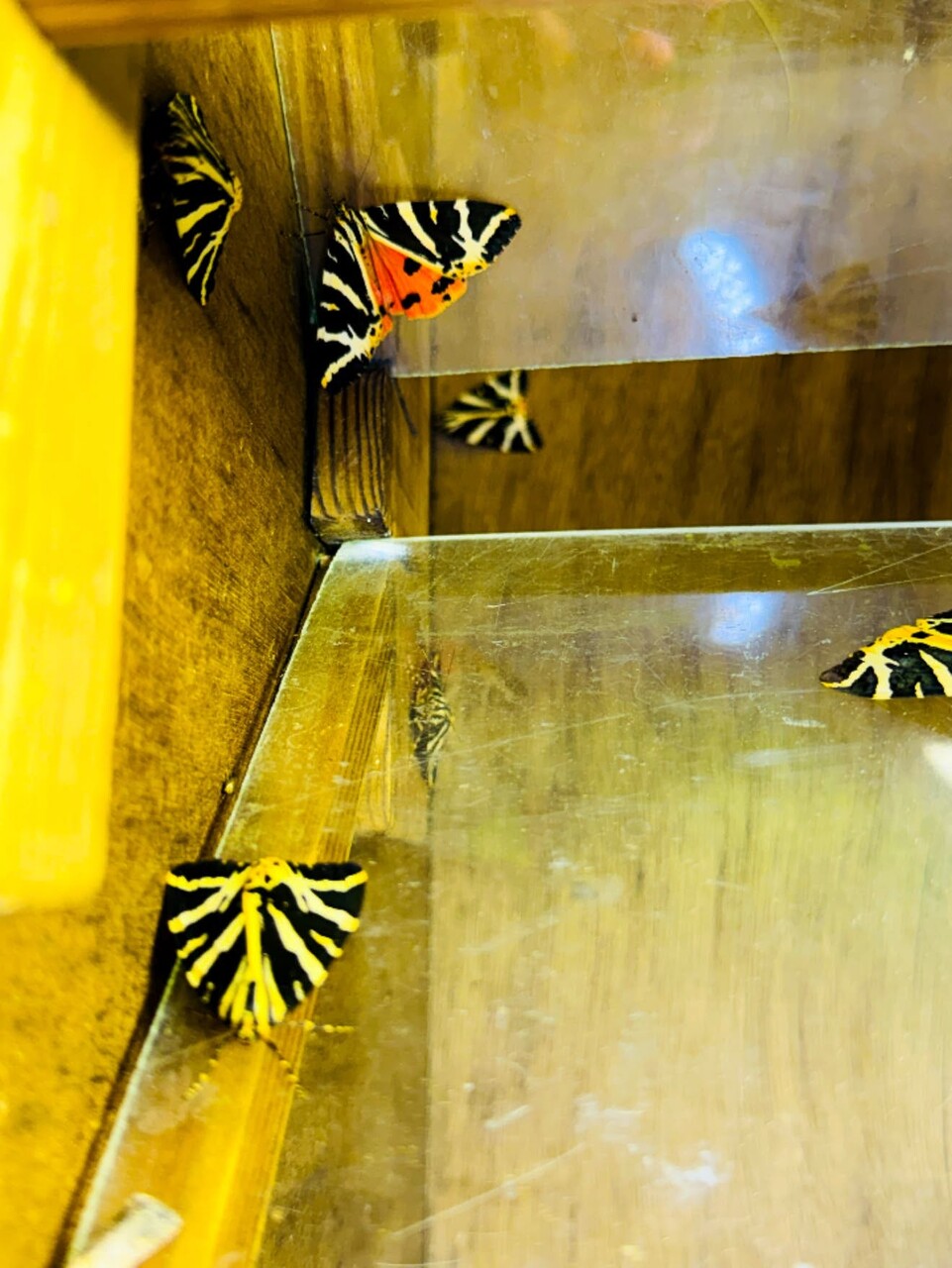
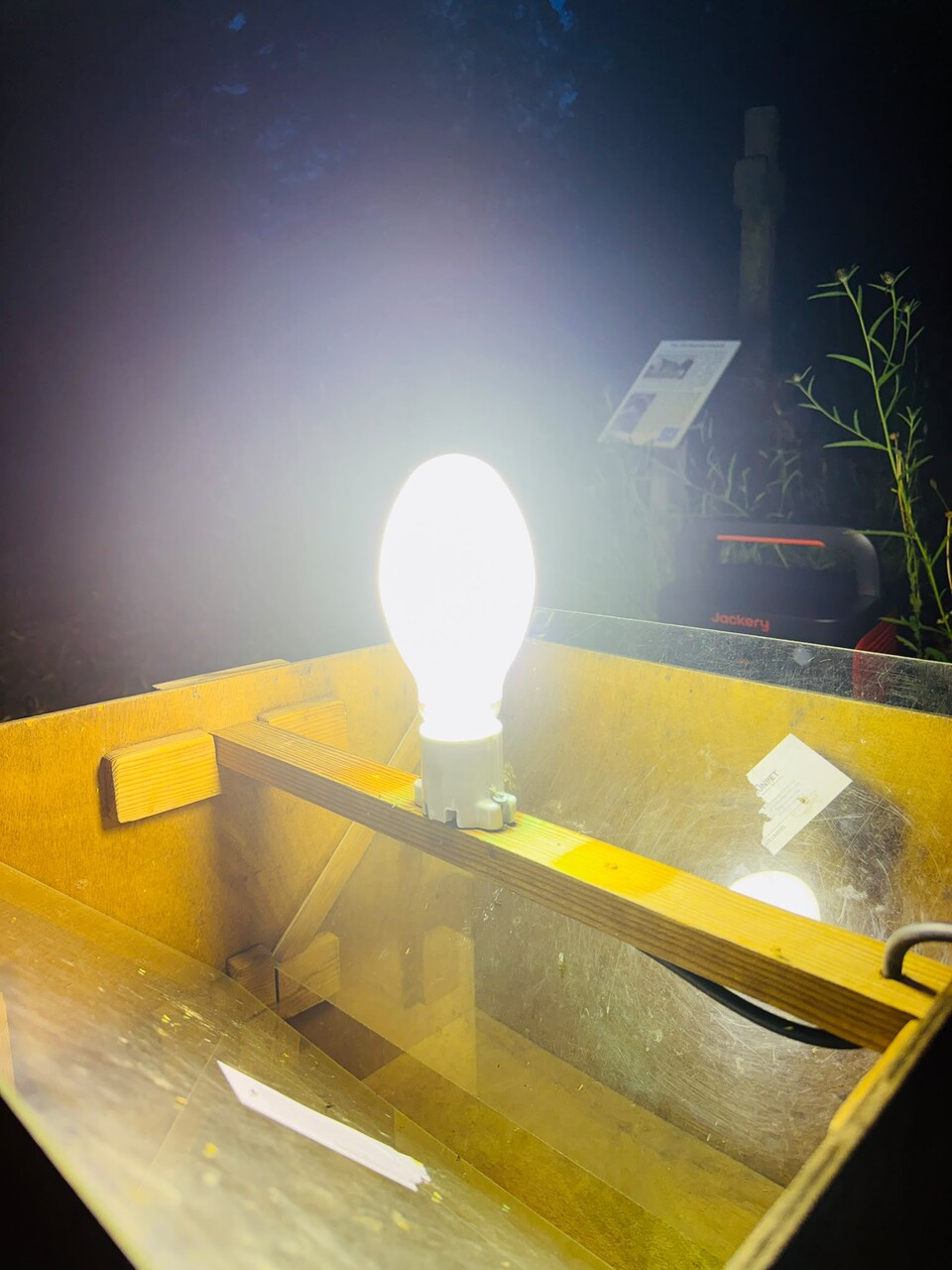
Under the expert guidance of Wrecclesham Conservation Group first chairman Dr Martin Angel, we run frequent night-time moth surveys at various sites, humanely trapping, recording and later releasing insects. Moth trapping is not for the impatient. It often takes a couple of hours after switching on the lights around our equipment before the more interesting insects show up. However every insect recorded provides a valuable insight into the amazing biodiversity at Wrecclesham locations such as St Peter’s churchyard and the former landfill site sometimes known as Brambleton Field.
Find out more about the moth life of Wrecclesham in our Archive




Toad patrol
Every spring we link with our friends at the Bourne Conservation Group, to help the toads make up for their lack of road sense as they migrate to (and later back from) their breeding pond on the edge of Alice Holt forest. This activity is outside the immediate Wrecclesham parish area, but an important aspect of the work we are interested in to help keep our local biodiversity flourishing. The spring migration of the toads usually commences early February into March with numbers we see varying according to how wet it is/has been. Registration and safety equipment are essential for insurance reasons, since we work on unlit public roads at night. However it’s immensely worthwhile helping the toads cross the road safely witnessed by the 2025 season where we assisted over 800 toads as well as a fair few frogs and newts! And 900 in 2026.


Bat walks
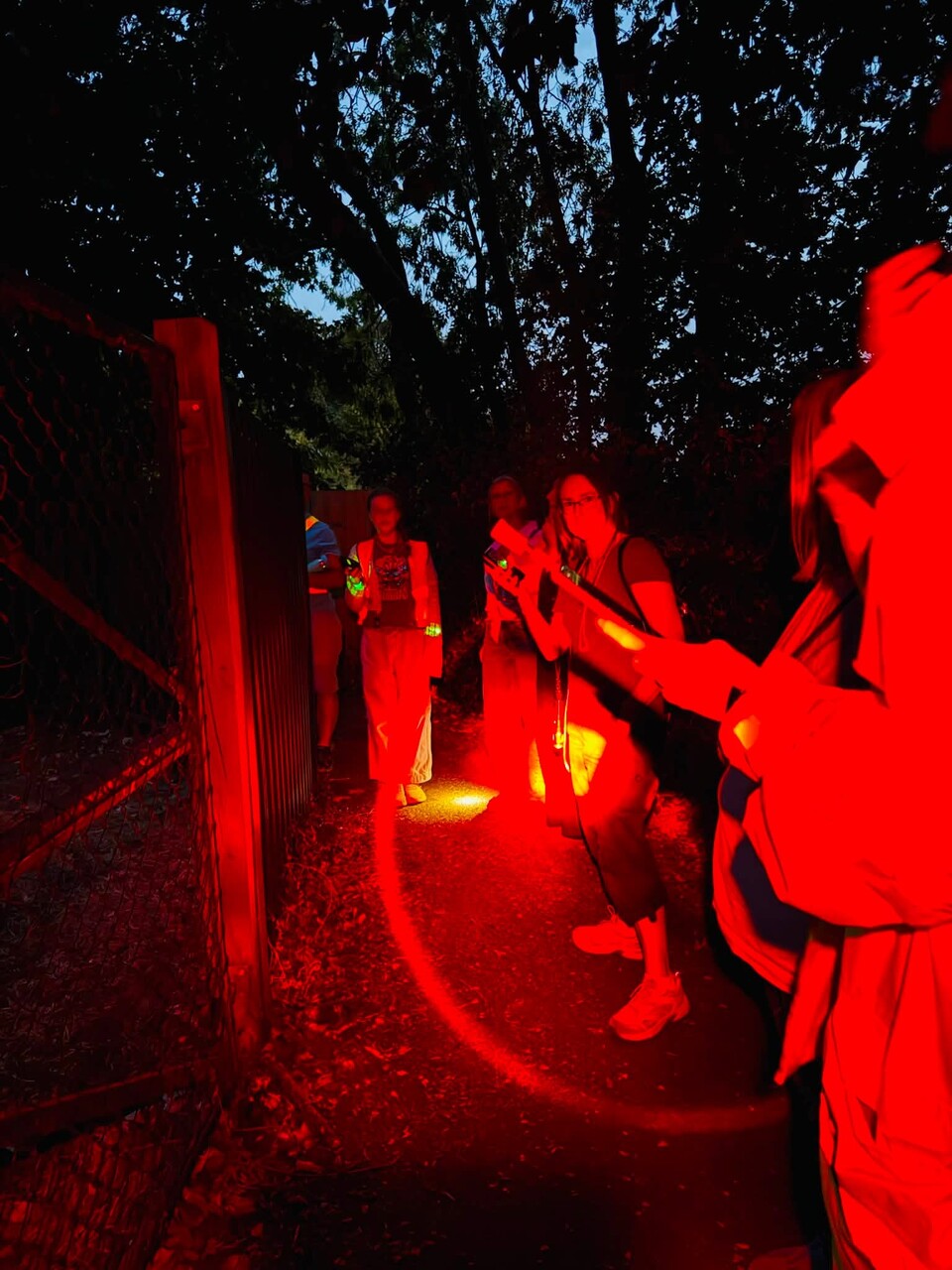
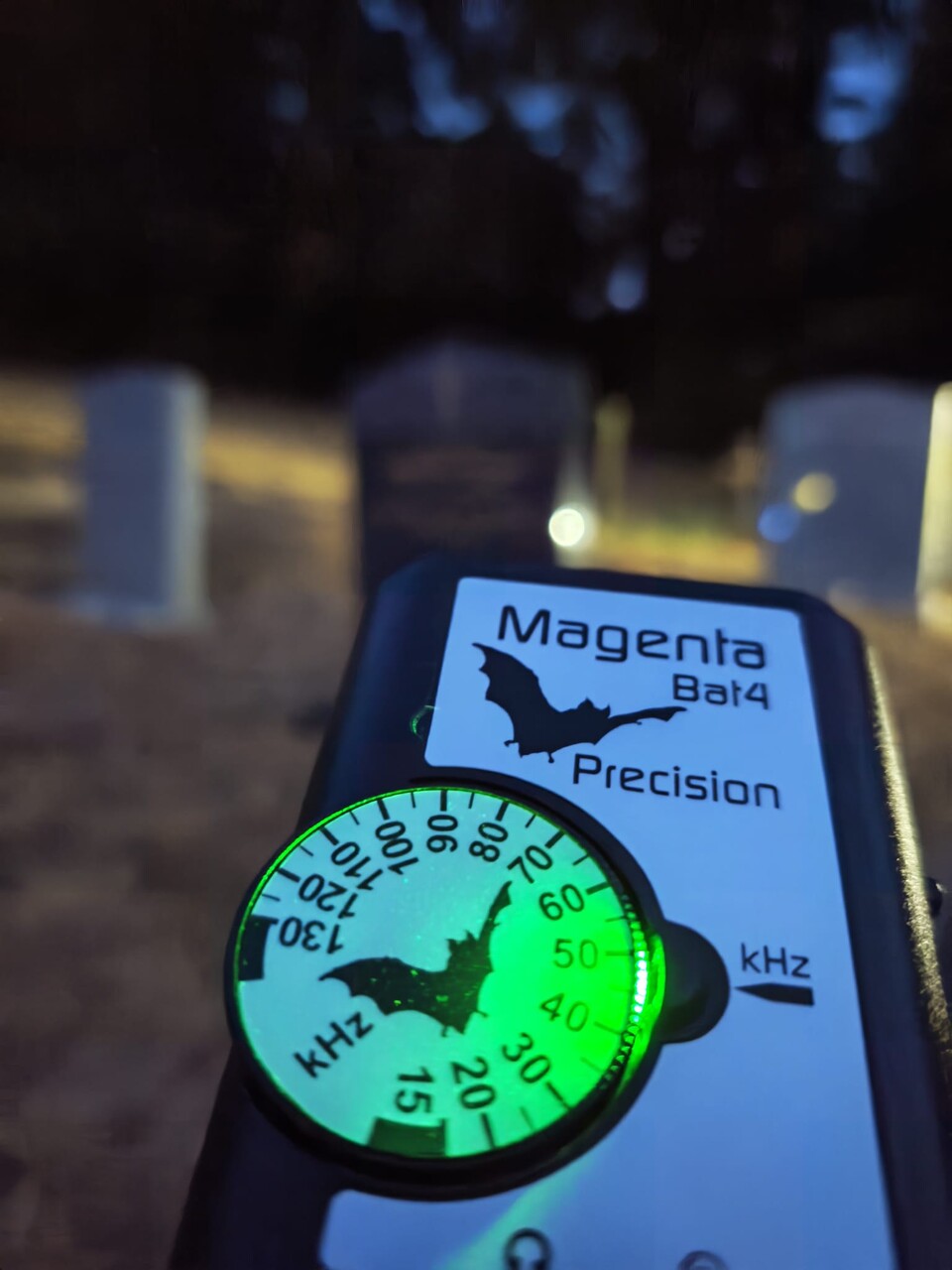
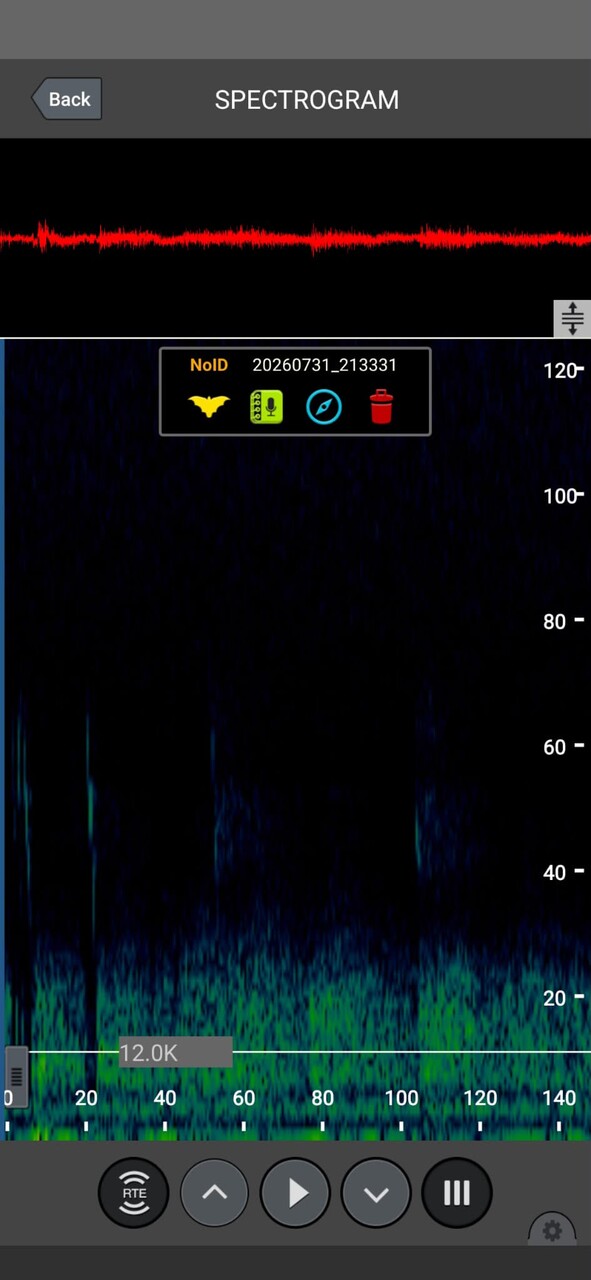
Wrecclesham has some great habitats for bats, and Wrecclesham Conservation Group run frequent expert-led bat walks to monitor the populations and variety of species locally. These usually run on a monthly basis from May/June through to October and depending on when the sun sets the timing of these walks also varies a lot during the year; so please keep a lookout on the WCG members WhatsApp group for precise details for when they are happening. Note the walks occurring early on in the evening are popular with families with younger children. We use up-to-date ultrasonic detection equipment, but our younger participants in particular with typically both sharper hearing and eyesight can often hear and spot bats unaided. Other walks take place during the hours of darkness and can involve us with public roads so high-visibility clothing is essential as well as pre-booking to manage numbers.


Bumblebee transects and butterfly surveys
As well as surveying moths we also run frequent bumblebee transects and butterfly surveys. A transect sounds technical, but it is simply a walk when we record everything relevant spotted on a pre-determined route that can be reliably repeated in order to compare findings. Transects do not require prior knowledge of the insect species and are a lot of fun for all the family. A wide range of butterfly species is a good sign of a thriving local ecosystem. Bees – especially bumblebees – as pollinators, are obviously essential contributors to the food chain without which we would go hungry. Therefore it is extremely valuable to keep track of numbers and biodiversity of both these insect groups. We usually start doing transects from March carrying on into October. Announcements on dates these are held are given in our WCG members WhatsApp group.


Flowers
Flower beds and planters don’t just make the village look more attractive; using the right plants they will attract insects which are vital for pollination and as part of the food chain. Practically speaking this means planting bulbs for spring, and lavender and annuals for summer flowering. We have revived a former flower bed on the bank at the bottom of School Hill near the roundabout and have been rewarded with a lovely display of flowers. It would be great to maintain even more roadside flower beds around the village, but it obviously takes time and effort to plant up and maintain them. Similarly another flower bed has been created within the churchyard next to the gate along the footpath with a variety of plants to add colour to this area; also one with plants for pollinators to attract more insects. Additionally we have planted lots of daffodils, crocuses and snowdrops in St Peter’s churchyard, though it is rather variable how many come up each year!


